
Twentieth Century Log Homes in Nashville
In March, 2025, I discovered that the log house at 1801 Stokes Ln. was going to be demolished. It had been a beautiful home and was constructed with chestnut logs around 1947.
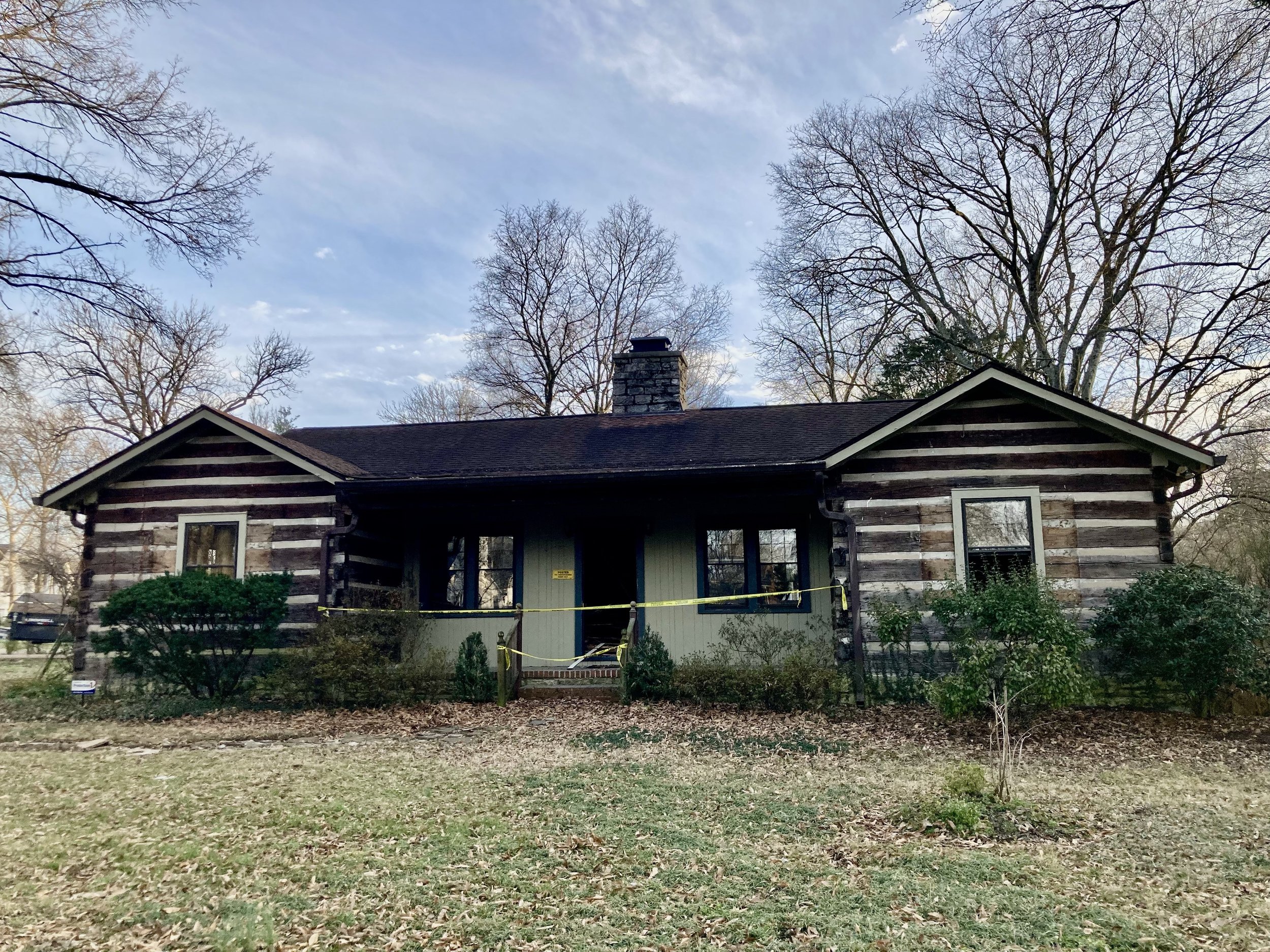
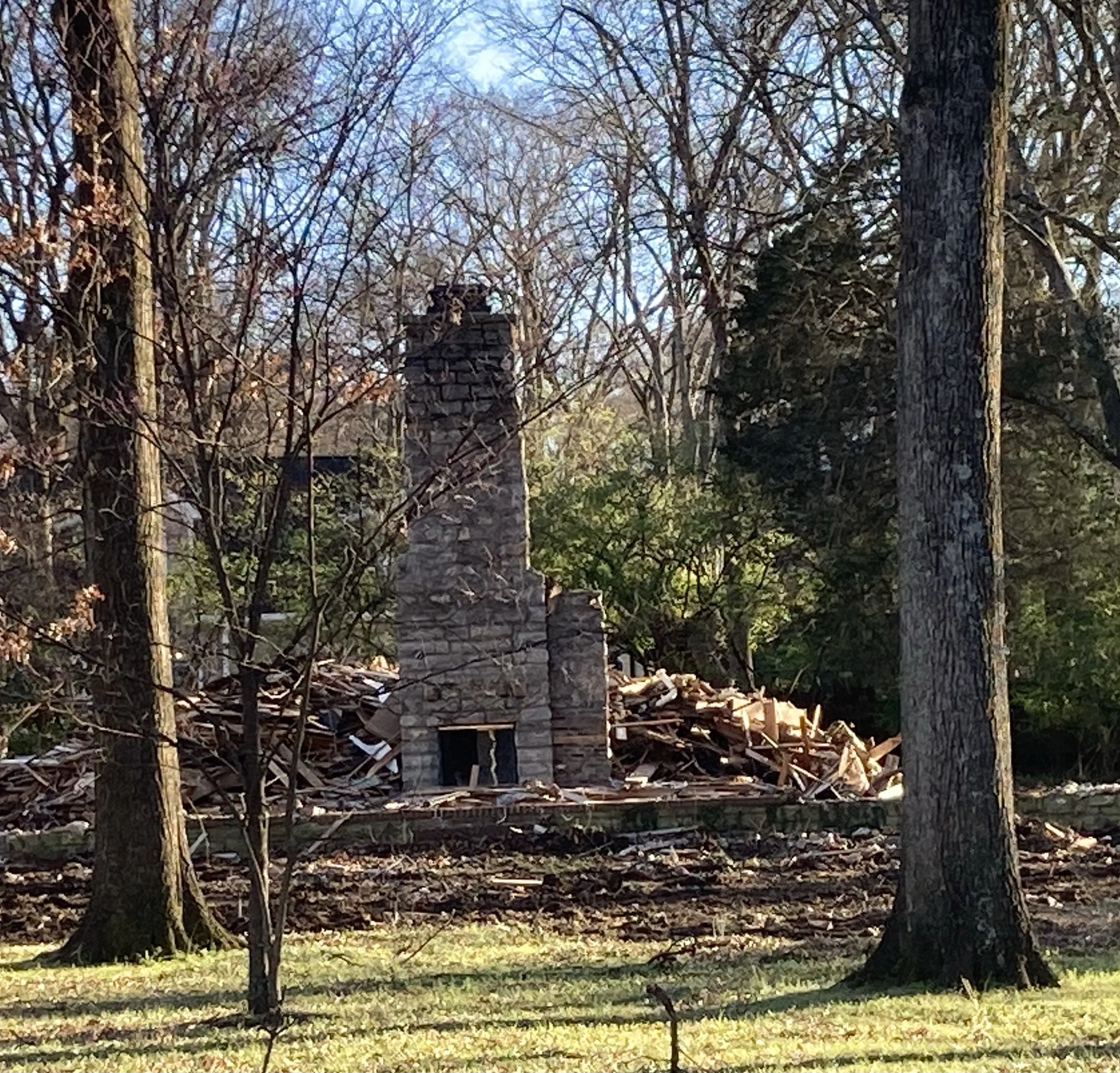
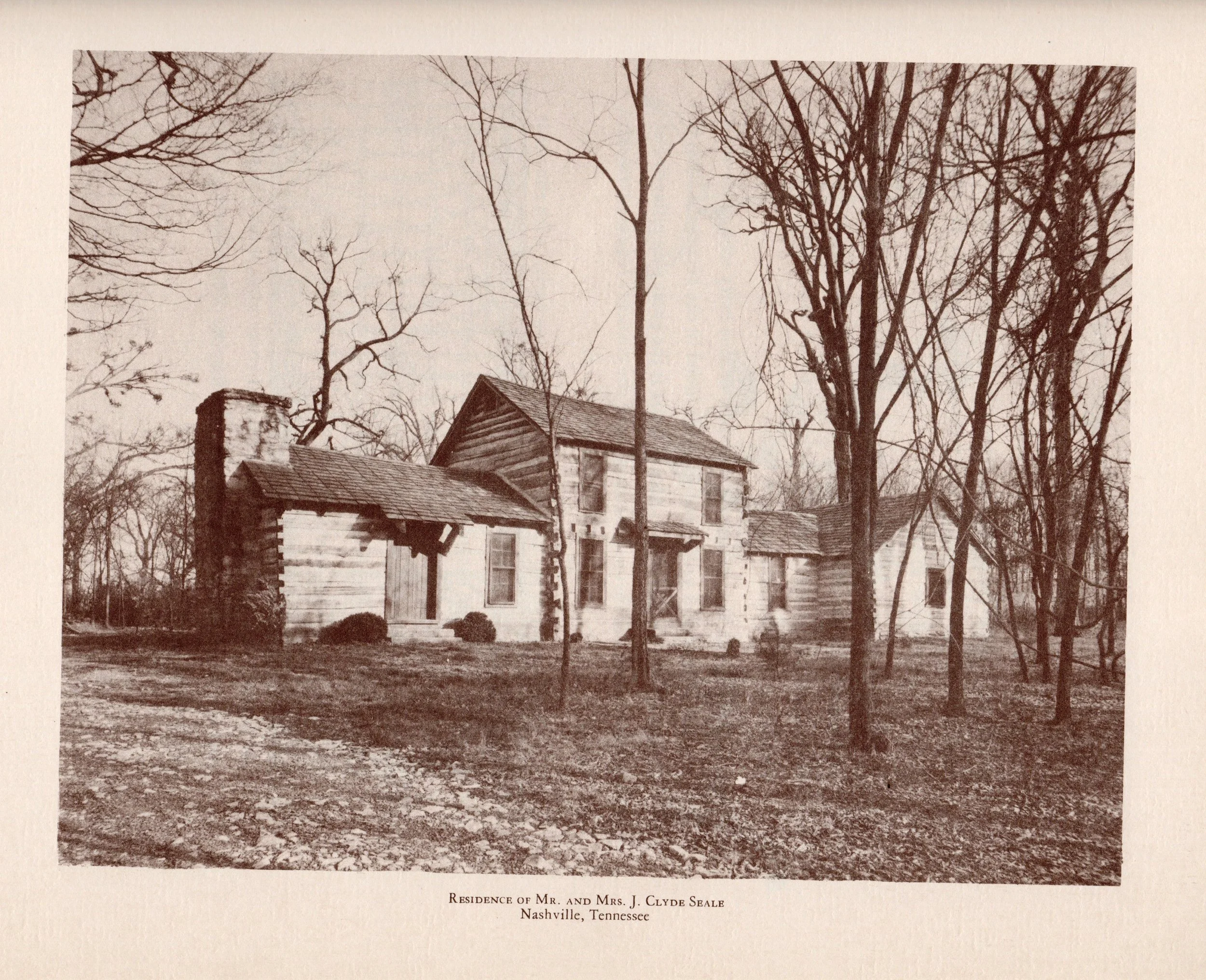
In Where We Live (1938), Nashville architect J. Clyde Seale (1910–1945) describes the log house as typically the first dwelling erected in a new territory—constructed of hewn logs and often hastily assembled. As areas became more settled, more permanent homes were built on stone foundations using black walnut, cedar, yellow poplar, and chestnut. Many of these structures are still standing today. Their simplicity and charm later inspired a renewed interest in log homes during the 20th century.
Many Nashville log houses were constructed using materials from these earlier structures. Older homes were dismantled, the logs numbered, and then reassembled. Seale himself designed several reconstructed log homes, including one for his own family.
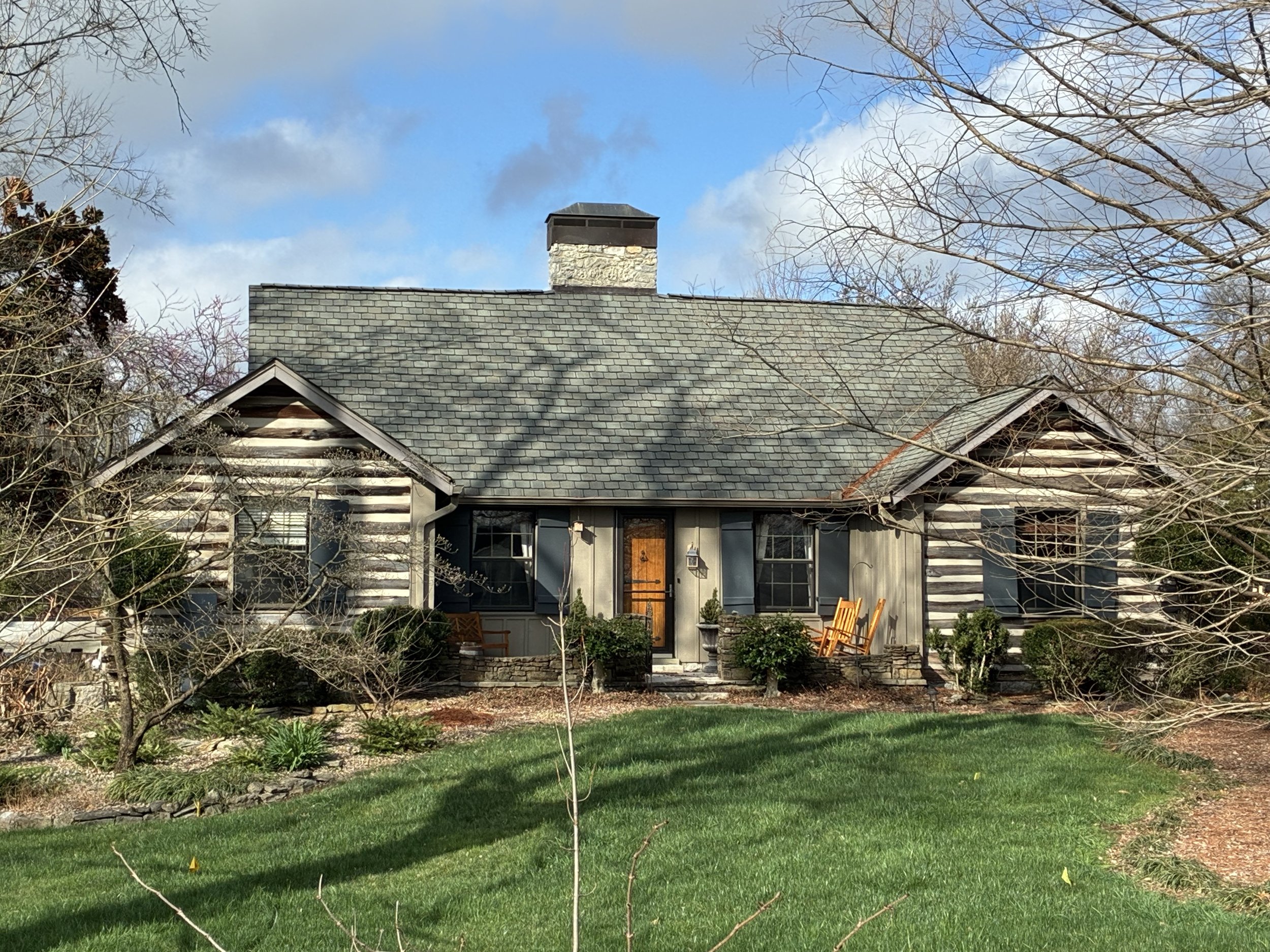
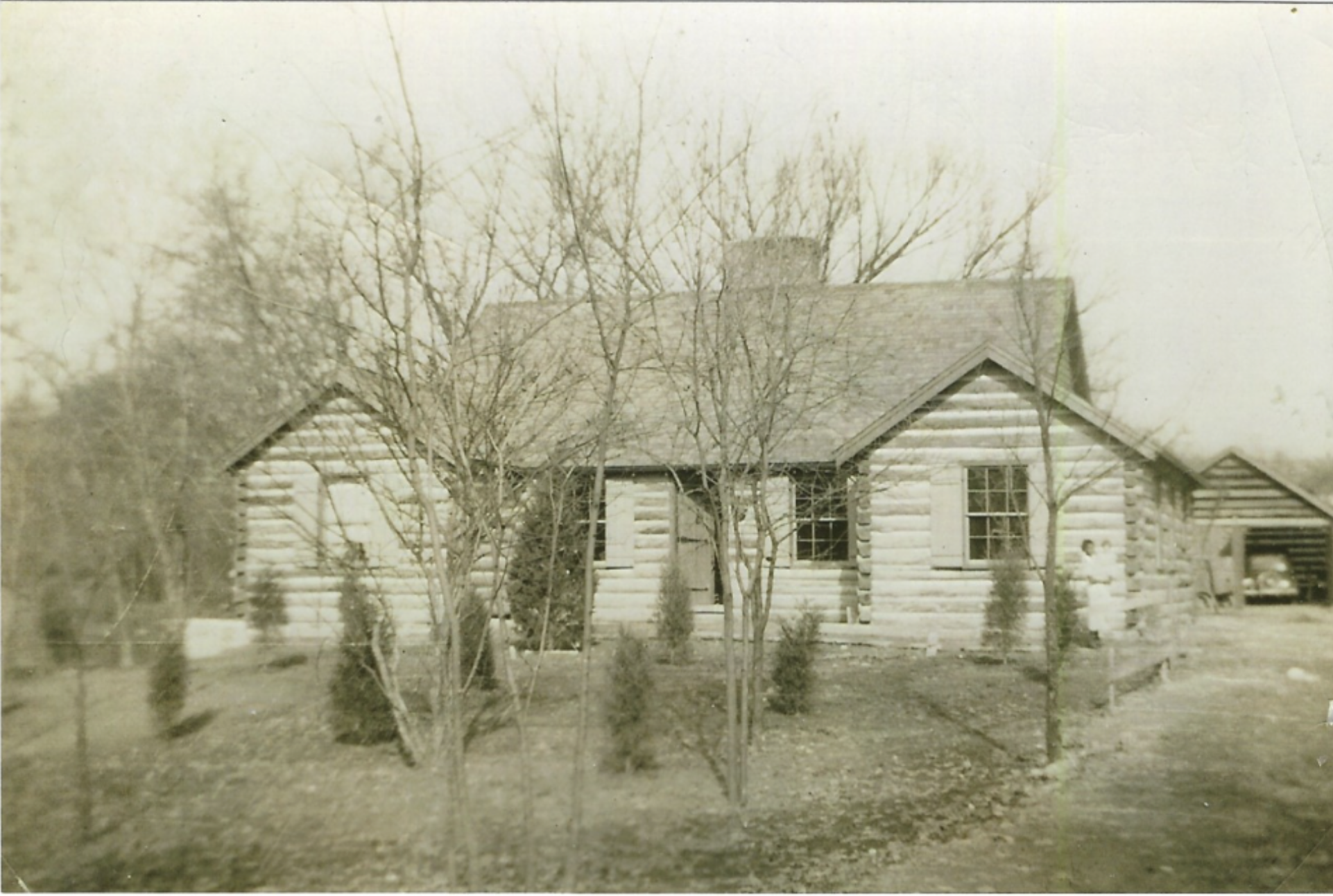
The home at 2002 Cedar Lane, with its two parallel front-gable wings framing a central entrance, was built in 1939 by architect E. Melvin Tisdale. It closely resembles the house that once stood on Stokes Lane. (Photos from today and circa 1940.)
Nashville contractor Edwin Hill Jones (1909–1985) began building log homes in 1942. His first, at 1130 Tyne Boulevard, was built for his own family and still stands today. The main section was sourced from the Martin estate on Gallatin Road and expanded over time.
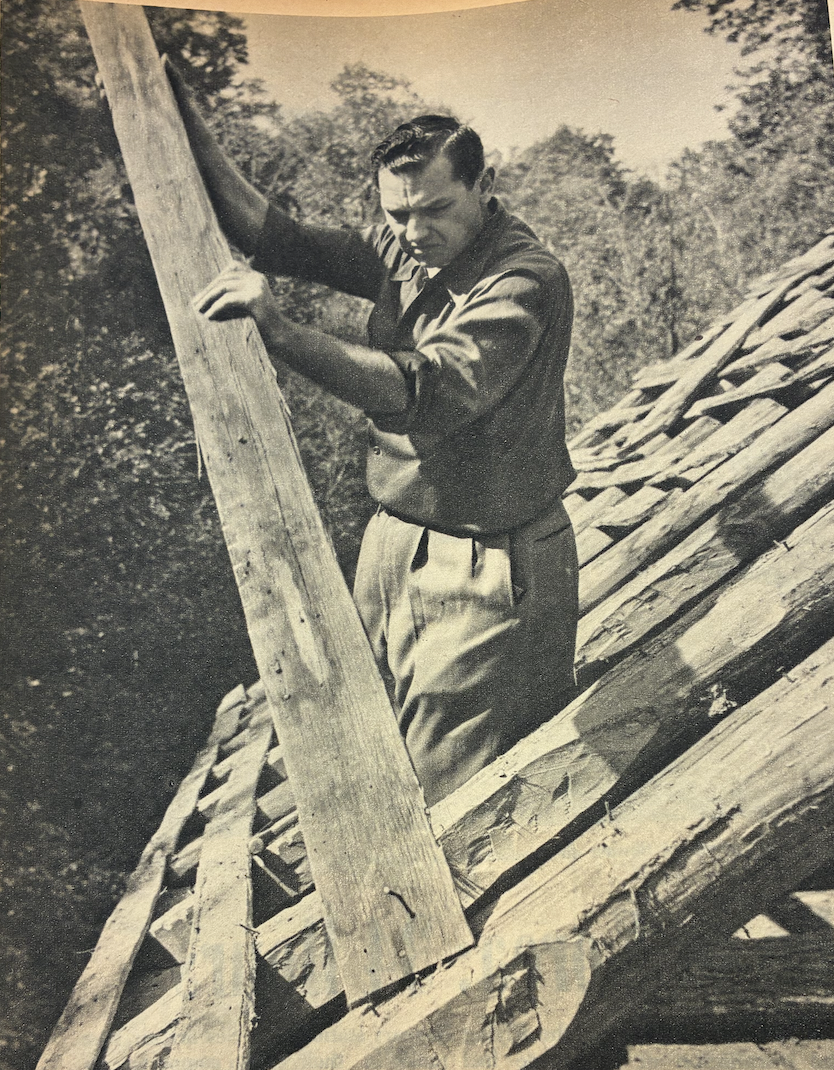
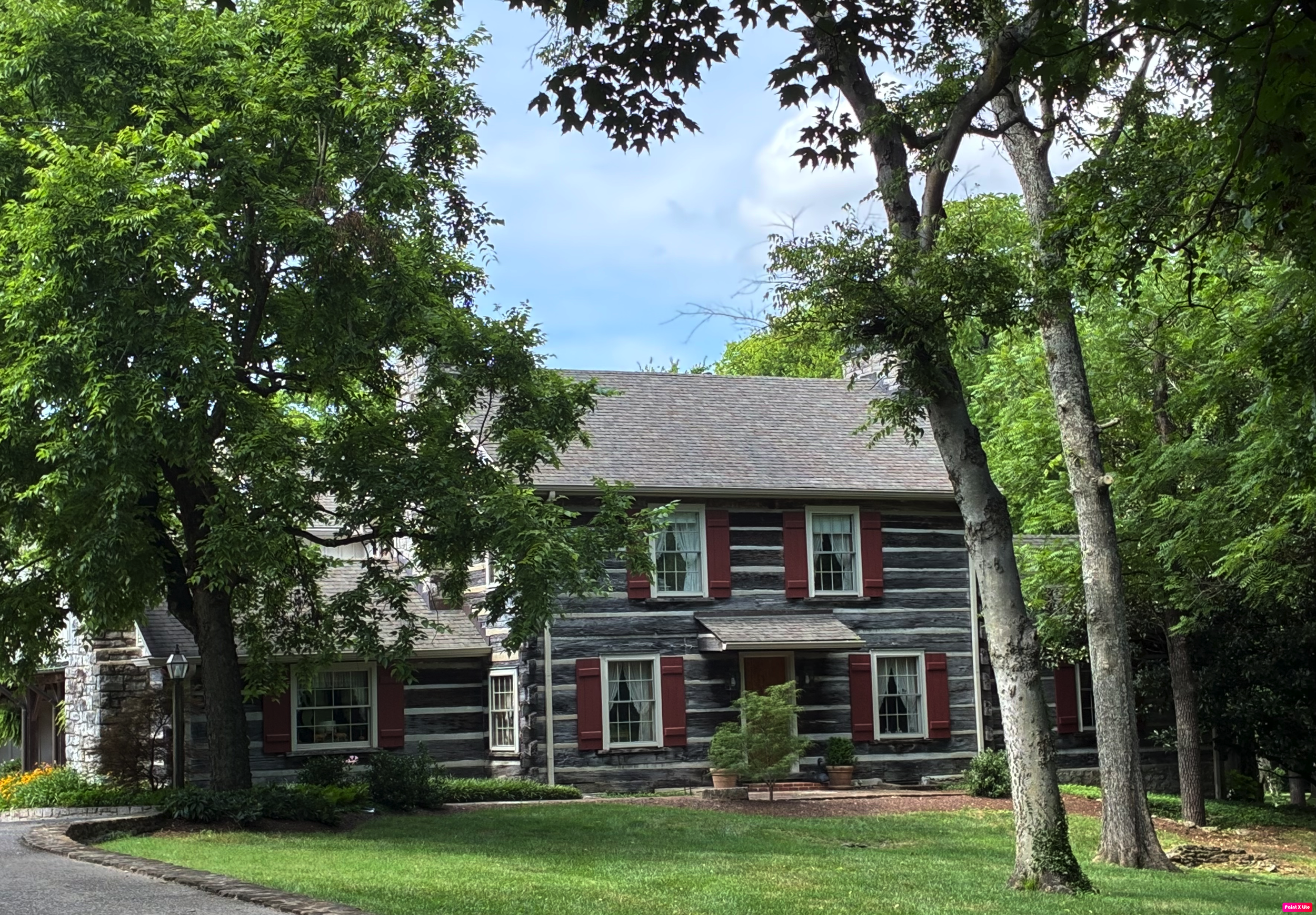
Over 33 years, Jones built approximately 45 log houses. It took an average of seven dismantled structures to gather enough logs for a three-bedroom home. In total, he purchased 247 log buildings, transporting their materials to Nashville. Many of the Kentucky structures were made of yellow poplar, while cedar was more common in Middle Tennessee. Jones often removed bark by hand and washed the logs in a lye solution to kill germs and ensure a uniform color.
Several log homes from this period can be found on Granny White Pike and Otter Creek Road—at least one, and likely more, were built by Jones.
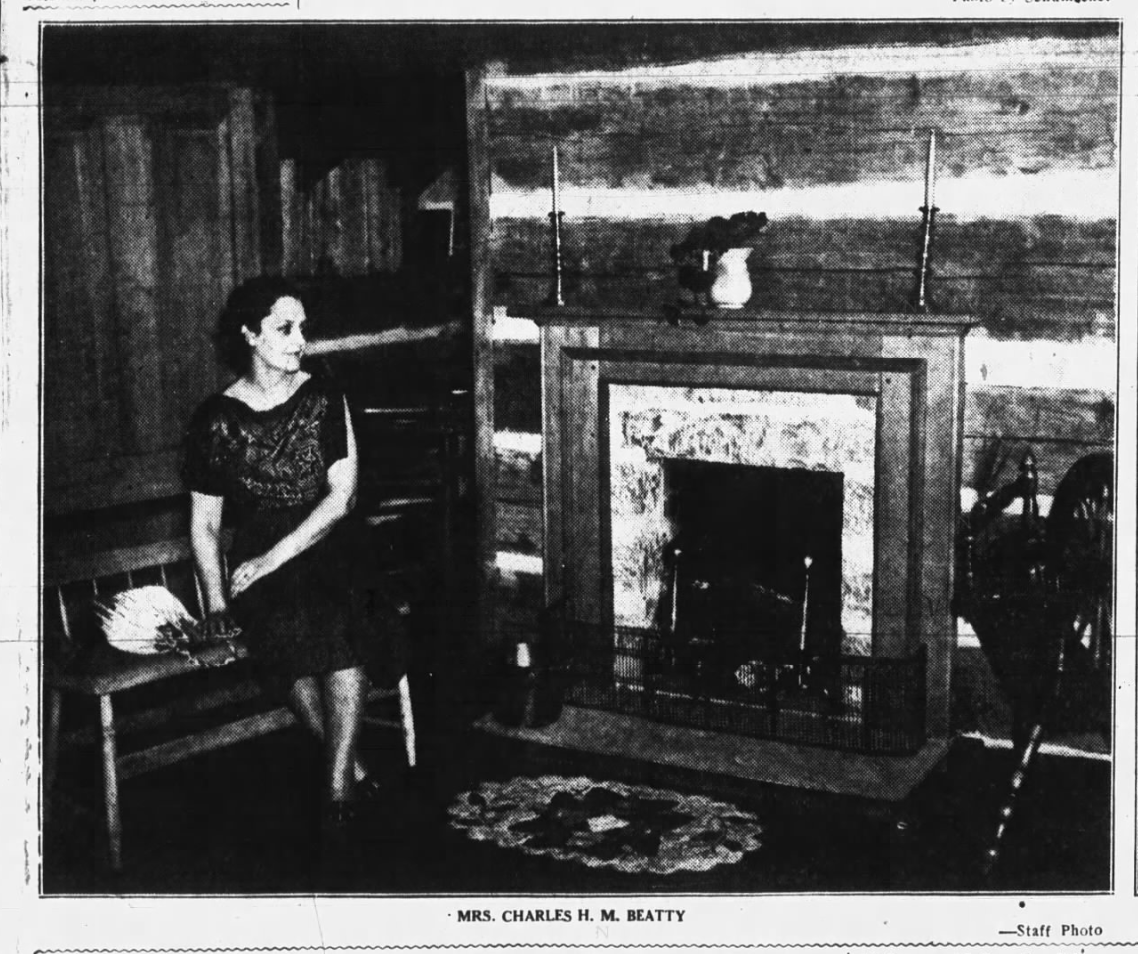
The home of Charles H. M. Beatty at 3507 Wimbledon Road was built around 1935. After salvaging logs from the old Keys Place in Bethpage, the Beattys had the entire lower floor paneled in yellow poplar. (Photos of the home today and of the interior with Mrs. Beatty.)
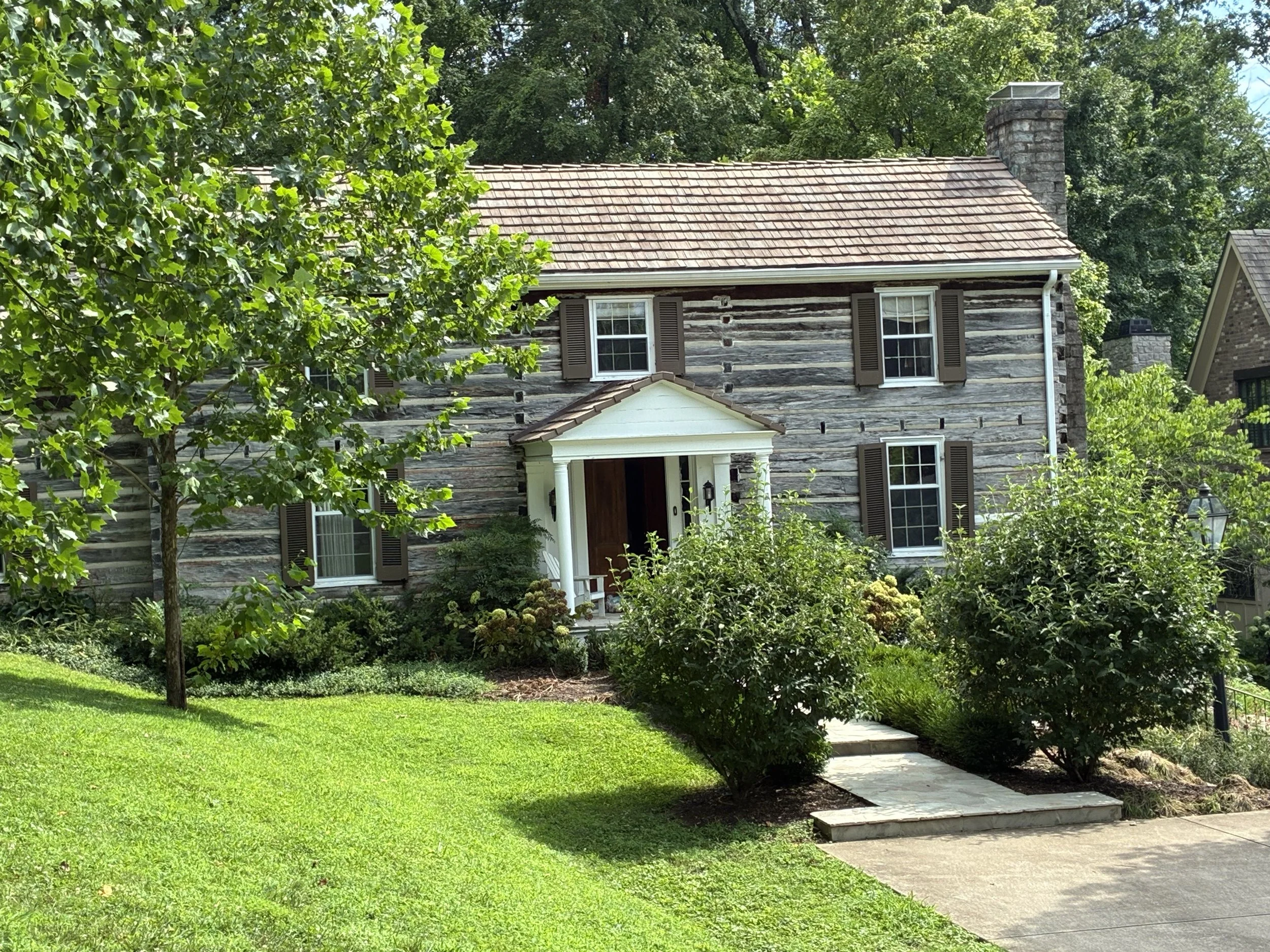
The house at 2315 Abbott Martin Road was home to Richard “Dick” Sisler, manager of the Nashville Vols, and his family from 1957 to 1991. Its original construction date is unknown; some sources suggest 1900, though that seems early.
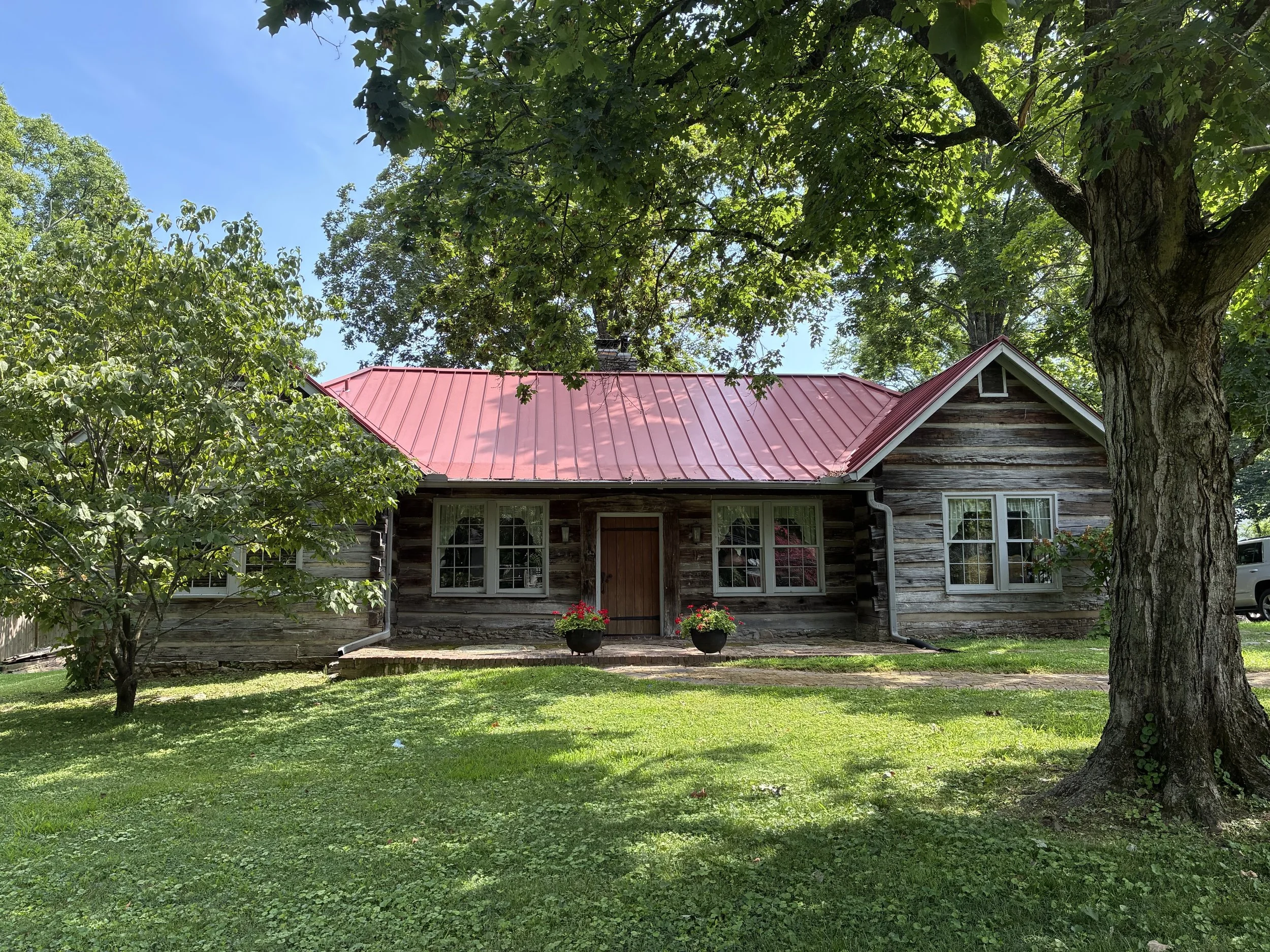
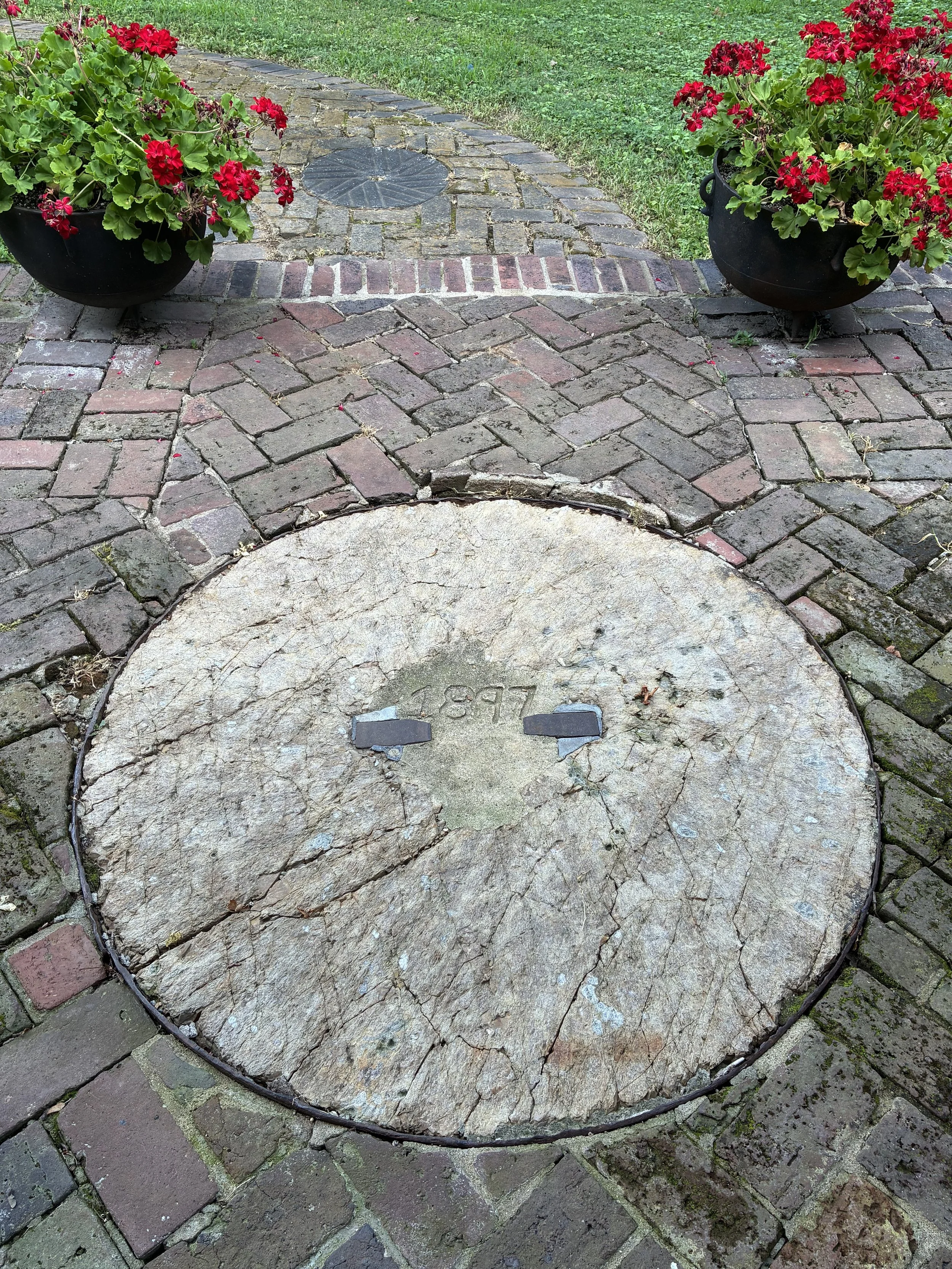
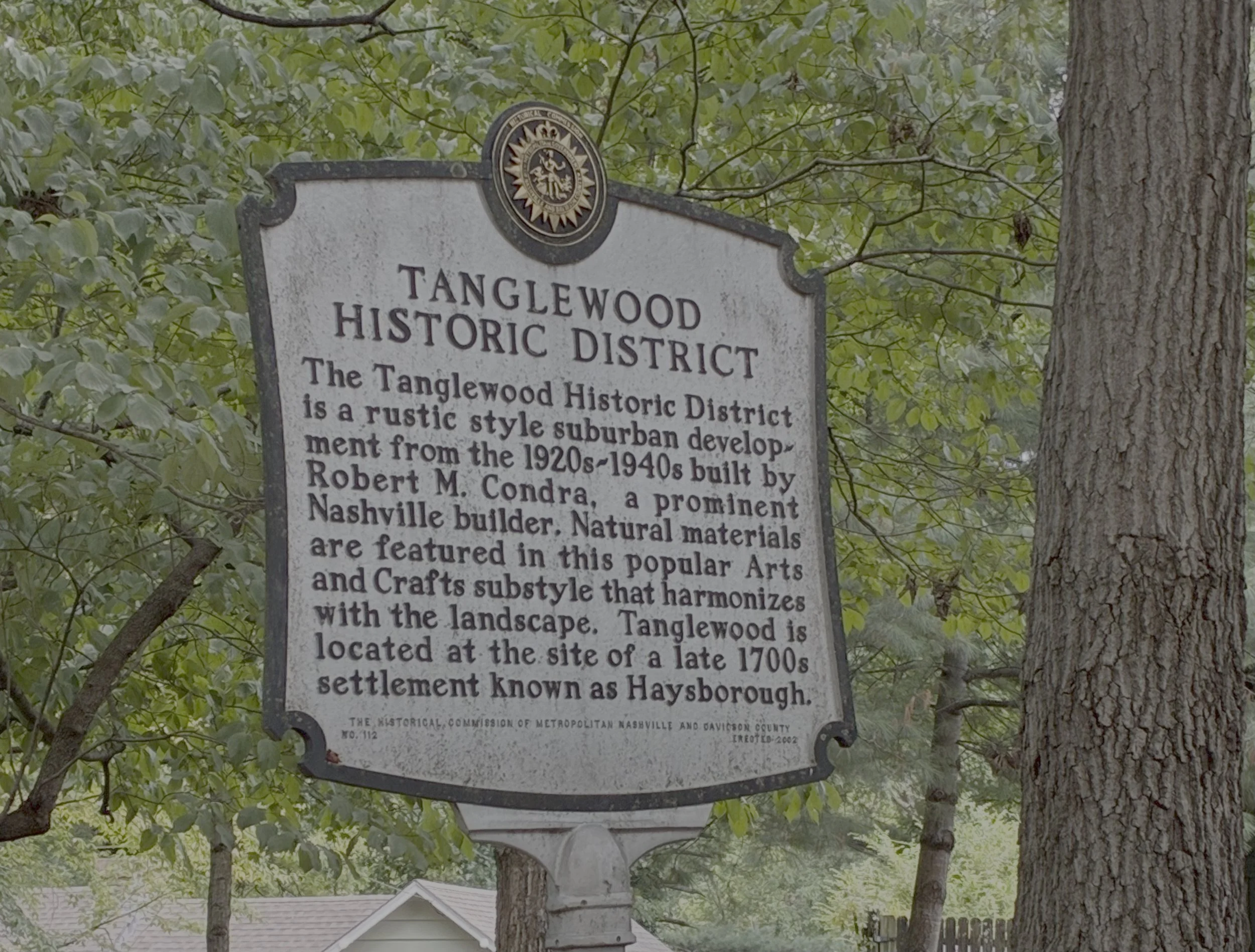
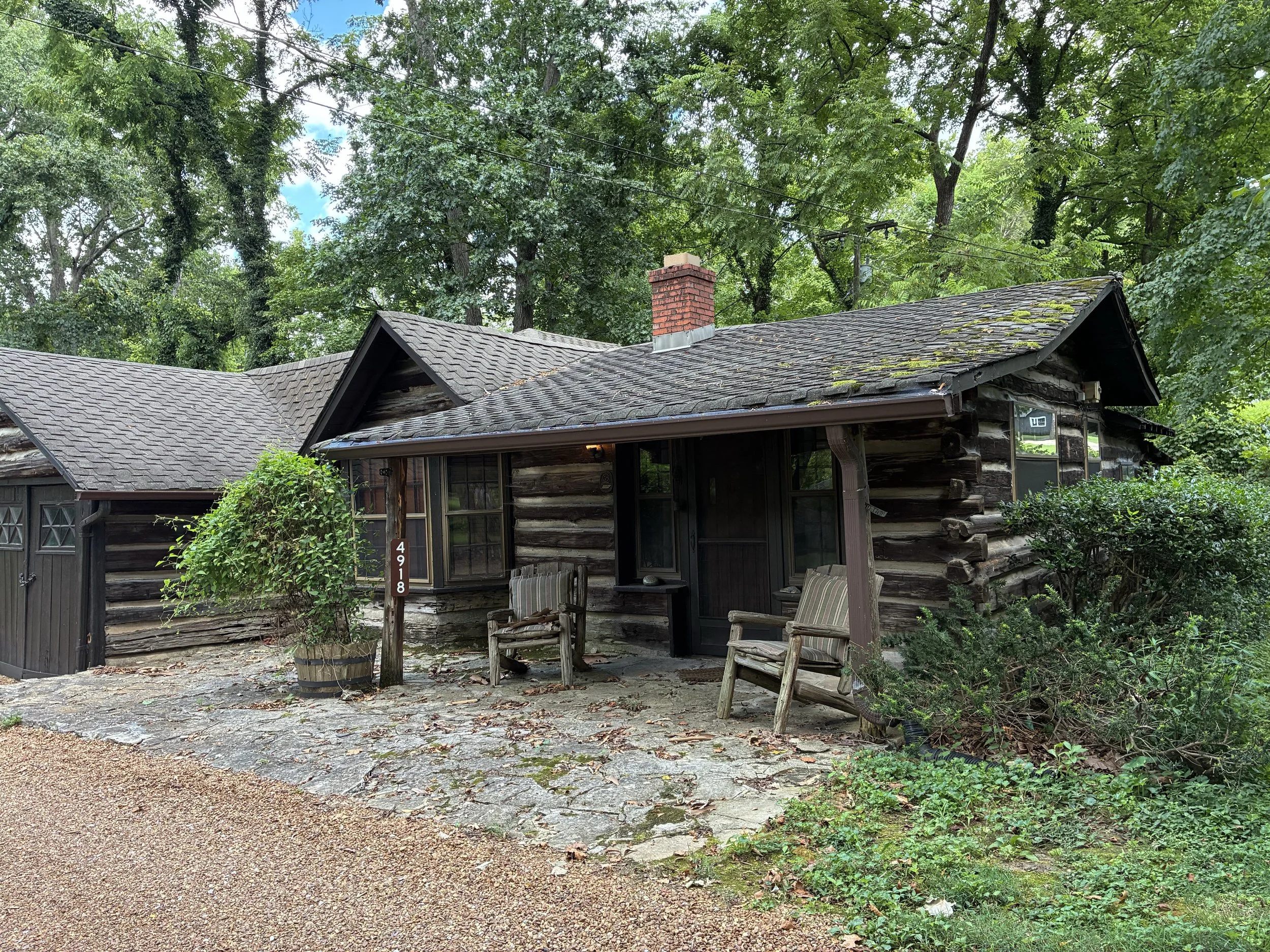
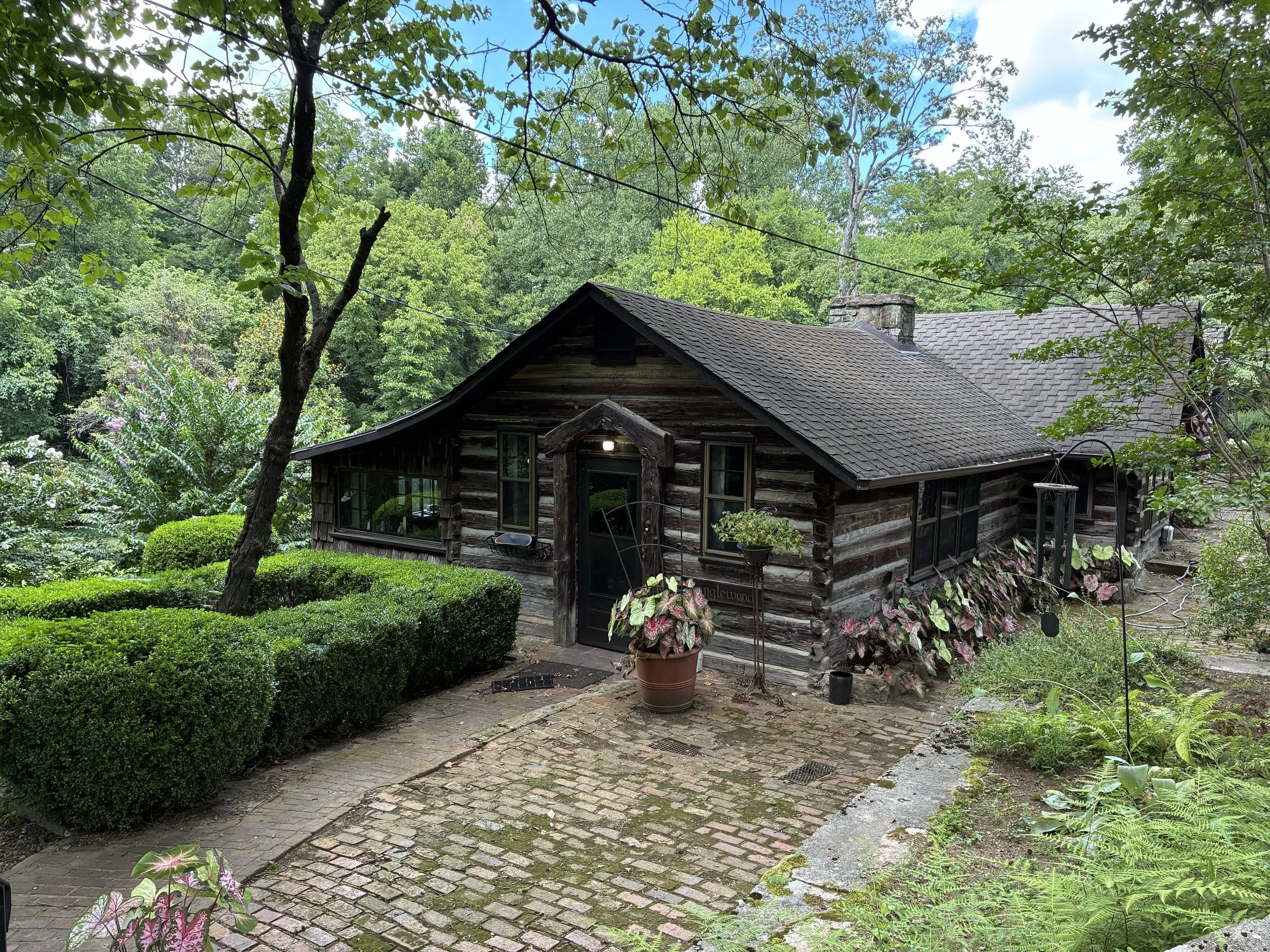
The Madison area has a wealth of log homes, many originally built as weekend or summer retreats near the Cumberland River, particularly along Brush Hill Road and surrounding streets. The Tanglewood Historic District is another notable example—a rustic-style suburban development built between the 1920s and 1940s by Robert Condra.
Written by Sandra Shelton
